


Our Services
Queenstown Oral & Maxillofacial Surgery is made up of a team with both medical and dental training, bringing together a range of complementary skills. By focusing on specialist areas, we’re able to provide a high standard of care for our patients—most of whom are referred to us by dentists in Queenstown and across the South Island.
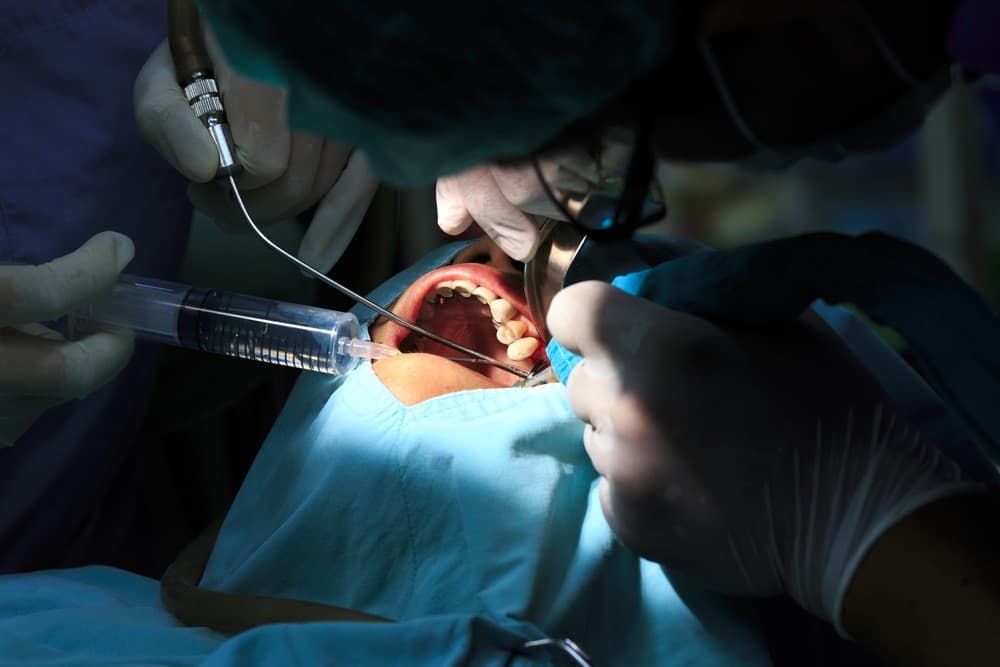
Oral & Maxillofacial Surgery
Oral and Maxillofacial Surgeons are specialists in diagnosing and treating conditions affecting the face, jaws, mouth, and surrounding structures. Their training includes both dentistry and medicine, followed by advanced hospital-based postgraduate experience.
They manage a wide range of conditions, including impacted teeth, dental implants, jaw alignment and facial growth concerns, facial injuries, oral cancer, salivary gland conditions, TMJ (jaw joint) disorders, and cysts or tumours of the jaws.
Most patients are referred to our Oral and Maxillofacial Surgeons by their dentist, GP, or other medical and dental specialists for expert assessment and treatment.

Dental Implants
Dental implants are a reliable, long-term option for replacing teeth lost due to trauma, decay, or fracture. An implant is a small titanium post that acts like a natural tooth root, placed into the jawbone to support a crown or bridge.
Unlike dentures or traditional bridges, implants don’t rely on neighbouring teeth for support and are designed to look, feel, and function like a natural tooth.
We use advanced 2D and 3D imaging to carefully plan each implant, ensuring precise placement and the best possible outcome. In some cases, implants can be placed at the same time as a tooth extraction, which may reduce overall treatment time and cost.
If there is not enough bone to support an implant, bone grafting options are available. For patients who have lost teeth due to injury, ACC may contribute to the cost of treatment—this can be confirmed prior to starting.
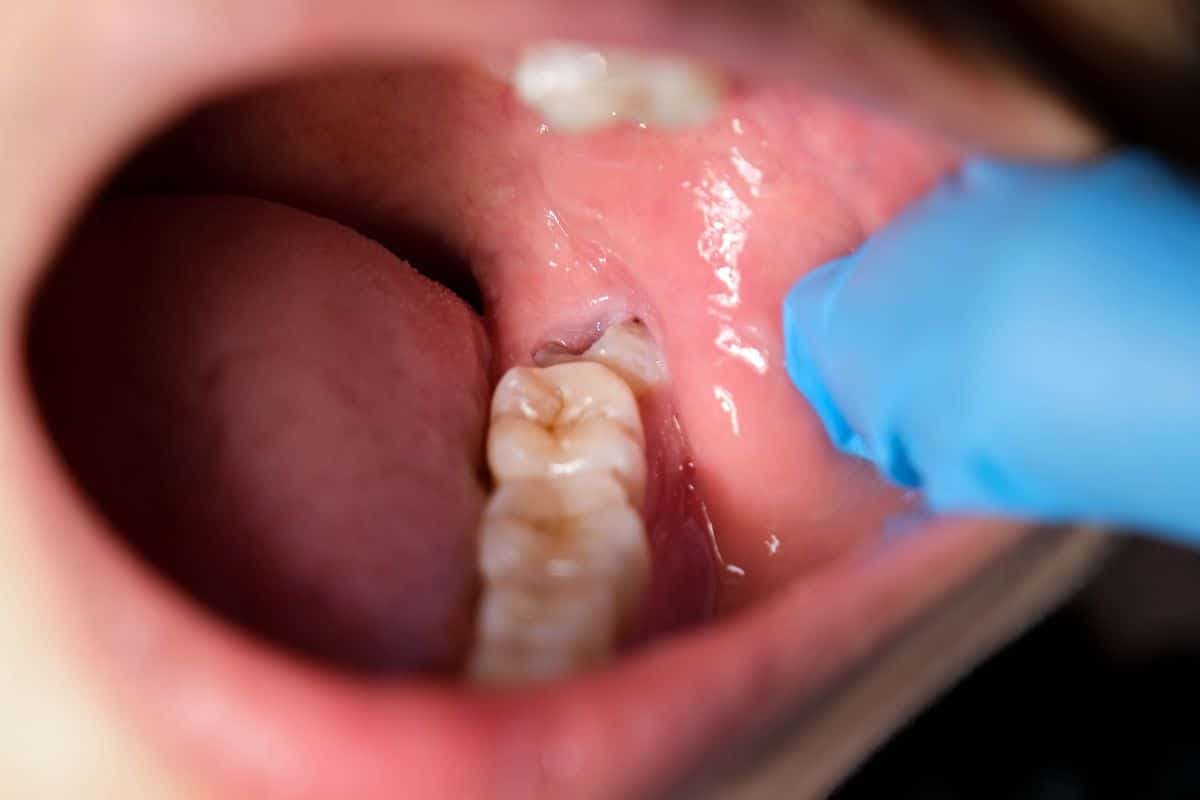
Wisdom Teeth Removal
Problem wisdom teeth are a common reason for referral to an Oral & Maxillofacial Surgeon. Our surgeons provide specialist care for wisdom tooth removal, which is often simpler and associated with better healing when carried out at a younger age.
Wisdom teeth may need to be removed due to infection, decay, food trapping, cyst formation, to support orthodontic treatment, or to avoid increased difficulty and slower healing later in life.

Intravenous Sedation
Intravenous sedation is one of the most effective tools to turn a daunting experience into a positive one. We often find good dental pain relief and a good dental experience will give patients a lot more confidence for all their future dental needs, particularly helpful for patients with dental anxiety. In most cases, intravenous sedation is an effective form of dental pain relief and a good alternative to a full general anaesthetic (going to sleep in a hospital) for oral surgery.
A small cannula is placed in the arm or hand, through which sedative and pain relief medications are administered. Patients remain conscious but feel calm and drowsy throughout the procedure, with little memory of the treatment in many cases.
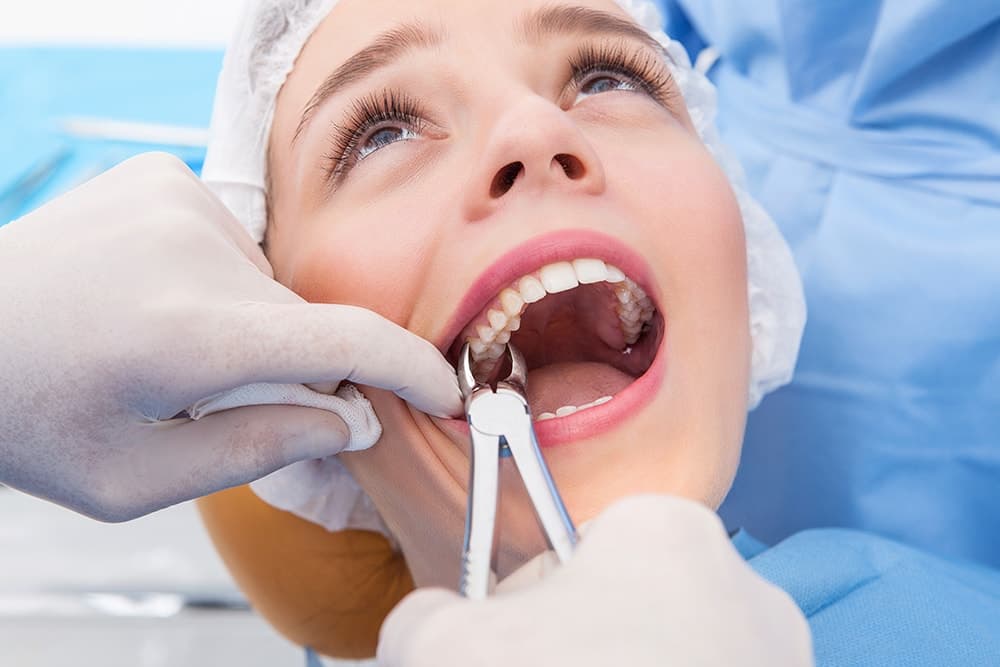
Tooth Extraction
Sometimes a tooth cannot be saved and needs to be removed. Our surgeons perform tooth extractions with care and precision, focusing on minimising discomfort and promoting good healing. At your consultation, tooth replacement options such as dental implants, bridges, or dentures can be discussed.
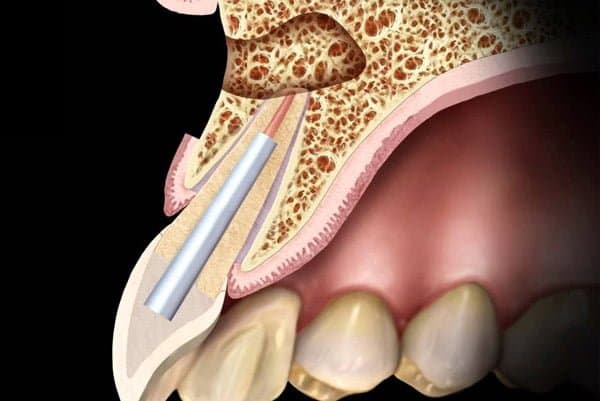
Apicectomy
When infection persists at the tip of a tooth root after root canal treatment, an apicectomy may be recommended. This microsurgical procedure removes the root tip and surrounding infected tissue, sealing the end of the root to preserve the natural tooth and prevent further infection.
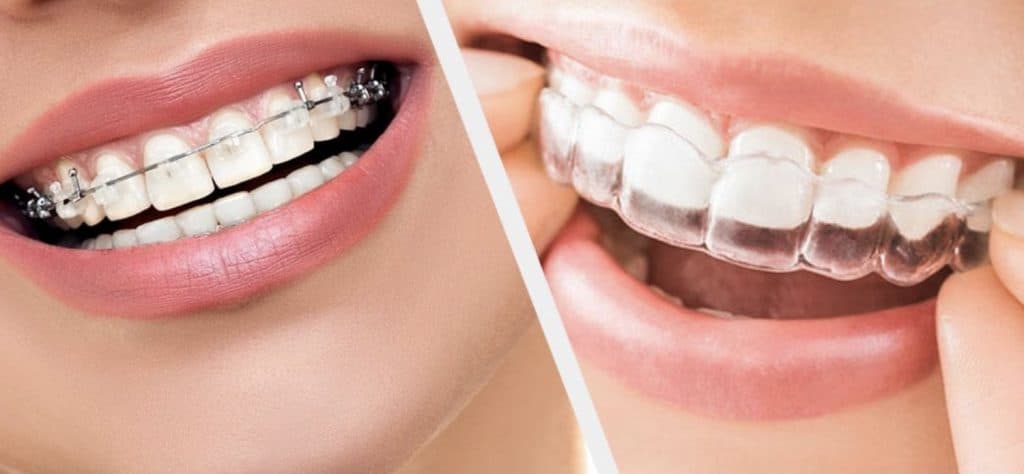
Orthodontic Treatments
Surgical procedures can support orthodontic care by improving outcomes and efficiency. These include exposure and bonding of unerupted teeth (commonly canines) to allow orthodontic guidance, extraction of selected teeth to create space for alignment and placement of temporary anchorage devices (TADs) performed in collaboration with orthodontists.

TMJ (Temporomandibular Joint)
The temporomandibular joints allow the jaw to open, close, and move. Problems in these joints can cause pain, clicking, locking, or difficulty with normal function. Our specialists place strong emphasis on non-surgical management first — including lifestyle changes, physiotherapy, splint therapy, and medication. Surgical treatment is only considered when conservative measures have not provided sufficient relief.

Oral Pathology
Changes in the mouth such as persistent ulcers, lumps, or patches may require investigation. We provide surgical diagnosis and treatment, including biopsy or removal of abnormal tissue, with all specimens carefully examined by specialist pathologists.